
How to Break In New Jordan Shoes Without Any Pain
There is nothing quite like unboxing a pristine pair of Jordans — the fresh leather, the perfect creases, and that unmistakable new-sneaker aroma. But if you have ever laced up a new pair and walked straight into a full day of activity, you almost certainly know the agony of blisters, heel irritation, and aching arches that can follow. Breaking in Jordan shoes shouldn’t be a uncomfortable experience, and with the best approach, you can get your pair feeling great in just a few days. This comprehensive article outlines reliable techniques to soften the construction materials, conform the shoe to your foot, and dodge the usual blunders that turn brand-new shoes into torture devices. Whether you just picked up a pair of Jordan 1 Highs with stiff leather uppers or a pair of Jordan 4 Retros with rigid midsoles, these methods are effective across the entire Jordan collection. By the end of this article, your new Jordans will feel like they were crafted exclusively for your feet.
Grasping Why New Jordans Seem Uncomfortable
Knowing what makes new Jordan sneakers stiff in the beginning is valuable before jumping into softening techniques. Most Jordan shoes use full-grain leather, synthetic panels, and cushioning foam that come out of the box rigid and over time break down with use. The leather uppers on silhouettes like the Jordan 1, Jordan 4, and Jordan 12 are treated with finishes that hold a structured shape on the store shelf but demand warmth and motion to become flexible. The midsole foam — whether Nike Air, Zoom Air, or regular polyurethane — achieves its best responsiveness after around 10 to 15 hours of time on foot. The sockliner and sockliner also take time to mold to the individual curves of your foot, most notably in the arch zone and around the heel counter. Recognizing these elements means you can target your wearing-in strategy to the particular zones that seem tight rather than just hoping the issue disappears.
The Gradual Wear Strategy
Wearing your new Jordan shoes for short periods and progressively extending the duration over a few days is the most reliable and most efficient softening method. Start by lacing https://jordanshoesformen.org/ up your new Jordans indoors for 30 to 45 minutes on the opening day, watching for any hot spots or areas of tightness. On day two, bump up the duration to about 60 to 90 minutes, preferably while doing light activity like moving about or standing at a desk. By day three and four, you can have them for two to three hours at a time, and most of the initial stiffness should start going away. The biggest upside of this technique is that it allows the shoe to break in on its own while allowing your feet time to adjust without forming blisters. Be sure to wear the same socks you will normally wear most often — padded sport socks will stretch the shoe differently than thin socks. By the end of the opening week, a pair of Jordan 1 Retro Highs or Jordan 3s should be clearly more cozy and suited for all-day wear.
The Double Sock Approach for Accelerated Outcomes
If you have to speed up the break-in, the thick sock technique is a proven trick that sneakerheads have relied on for a long time. Wear two pairs of heavy cotton or wool crew socks, then tie your new Jordans securely — not painfully tight, but secure enough that the leather is under moderate stress. Stroll through your apartment for 20 to 30 minutes while the additional sock layers stretch the inside of the shoe, accelerating the loosening process. You can amplify this method by using a hair dryer on a medium setting to heat the leather for 30 to 60 seconds per zone before walking, as warm leather turns much more malleable. Direct the heat on individual problem areas like the front of the shoe, heel area, and any spots where you experience pinching. After your movement session, keep the shoes on as they cool off so the leather holds in the expanded shape rather than shrinking back.
Specific Solutions for Usual Problem Areas
Each part of the Jordan shoe can create a different kind of irritation, and treating each one with specific fixes reduces time and reduces discomfort. The heel padding on high-top models like the Jordan 1, Jordan 11, and Jordan 13 is a common source of friction, which you can reduce by applying moleskin patches to the inner surface of the collar. Toebox pinching, typical in narrow-fitting models like the Jordan 4 and Jordan 5, responds well to leaving in overnight with a shoe tree or rolled socks packed into the front. For arch soreness, try switching the standard insole with an replacement insole from companies like Superfeet or Dr. Scholl’s. The tongue on some Jordan models can cause tightness on the instep — loosening the mid-section laces while keeping the upper and lower laces snug typically solves this concern. Ankle soreness around the collar commonly disappears simply by working it back and forth 20 to 30 times before wearing. Each of these focused methods handles a specific discomfort area without demanding hours of overall discomfort.
| Problem Area | Common Models Affected | Recommended Solution | Expected Relief Time |
|---|---|---|---|
| Heel rubbing | Jordan 1 High, Jordan 11, Jordan 13 | Moleskin patches and padded heel socks | 2–3 days |
| Toebox tightness | Jordan 4, Jordan 5, Jordan 6 | Overnight shoe trees plus thick-sock stretching | 3–5 days |
| Arch pain | All models | Replacement insoles | Right away |
| Tongue pressure | Jordan 6, Jordan 7, Jordan 8 | Relax center laces | 1–2 days |
| Stiff ankle collar | Jordan 1 High, Jordan 12 | Bend collar repeatedly and wear gradually | 3–7 days |
Lace Methods That Enhance Comfort
How you tie your Jordans can have a major effect on comfort, and most wearers overlook this easy adjustment when experiencing break-in discomfort. The standard cross-over lacing style distributes uniform tension, but it can be too tight across the mid-section for individuals with wider feet or high arches. Try the “skip lacing” method where you skip one set of eyelets in the zone that feels tightest, which opens up a tiny relief zone without sacrificing general stability. For Jordan shoes with a large number of lace holes like the Jordan 1 High, you can use separate lace tensions in the lower and upper sections to tailor the feel. Easy lacing through the toebox plus snug tension at the upper eyelets provides a comfortable forefoot while keeping ankle lockdown. According to podiatric studies published by the American Podiatric Medical Association, proper lacing technique decreases the occurrence of friction blisters by up to 40 percent. Experimenting with lacing styles takes just a couple of minutes but can transform a painful sneaker into one that wears perfectly.
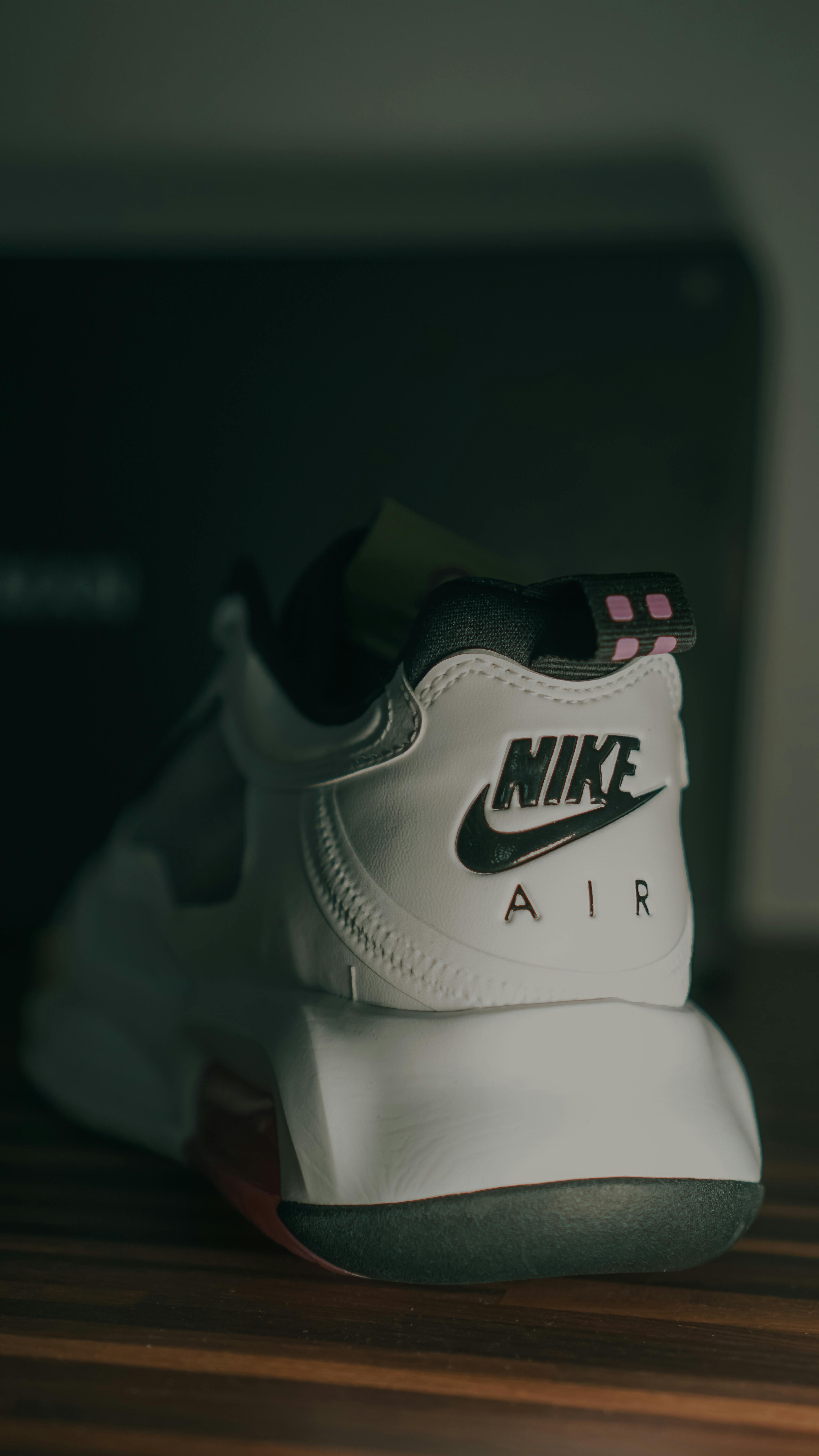
Products That Assist and Errors to Skip
A selection of products can speed up the break-in phase and guard your feet during the break-in phase. Leather conditioners like Lexol are safe for the premium leather found on Jordan 1s and Jordan 3s, loosening the upper without harming the coating. Shoe stretching sprays, sold for around $8 to $12, work by briefly softening the material fibers in leather and synthetic materials. Blister prevention products like Body Glide apply a shield between your foot and the shoe interior. Cedar shoe trees keep form when shoes are not being on your feet and lightly expand the inside while absorbing dampness. No less important is being aware of what not to do: never soak Jordans in water to loosen them, as water weakens glue and can cause leather to dry out. Don’t wearing fresh pairs for vigorous physical activity before they are partially softened. Do not use too much heat above 150 degrees Fahrenheit, which can melt glue and deform panels. Never try to break in shoes that are the wrong size — if a shoe is a whole size too small, no amount of softening will fix it, according to Nike’s official care guide.
Love Your Properly Softened Jordans
You don’t have to suffer through days of painful walking or use aggressive tactics that could damage your sneakers to wear in new Jordan shoes. The gradual break-in approach is still the most reliable method, working with the natural properties of the leather and foam rather than fighting them. For accelerated outcomes, mixing the heavy-sock trick with targeted heat application and clever lace modifications can halve softening time in half. Target individual trouble spots and treat them separately rather than expecting the entire shoe to break in. Preserve your purchase with good leather care products and cedar inserts that preserve your Jordans in pristine condition. Most critically, ensure you are starting with the proper size, because no trick can overcome a fundamentally poor fit. Implement these tips and within a week your new Air Jordans will feel cozy, supportive, and prepared for anything.